Forests

Canopy to root, and everything that depends on it.

A forest is less a collection of trees than a single, slow-moving system — one that stores water, steadies soil, and buffers everything from flooding to heat. Here's what we pay closest attention to.

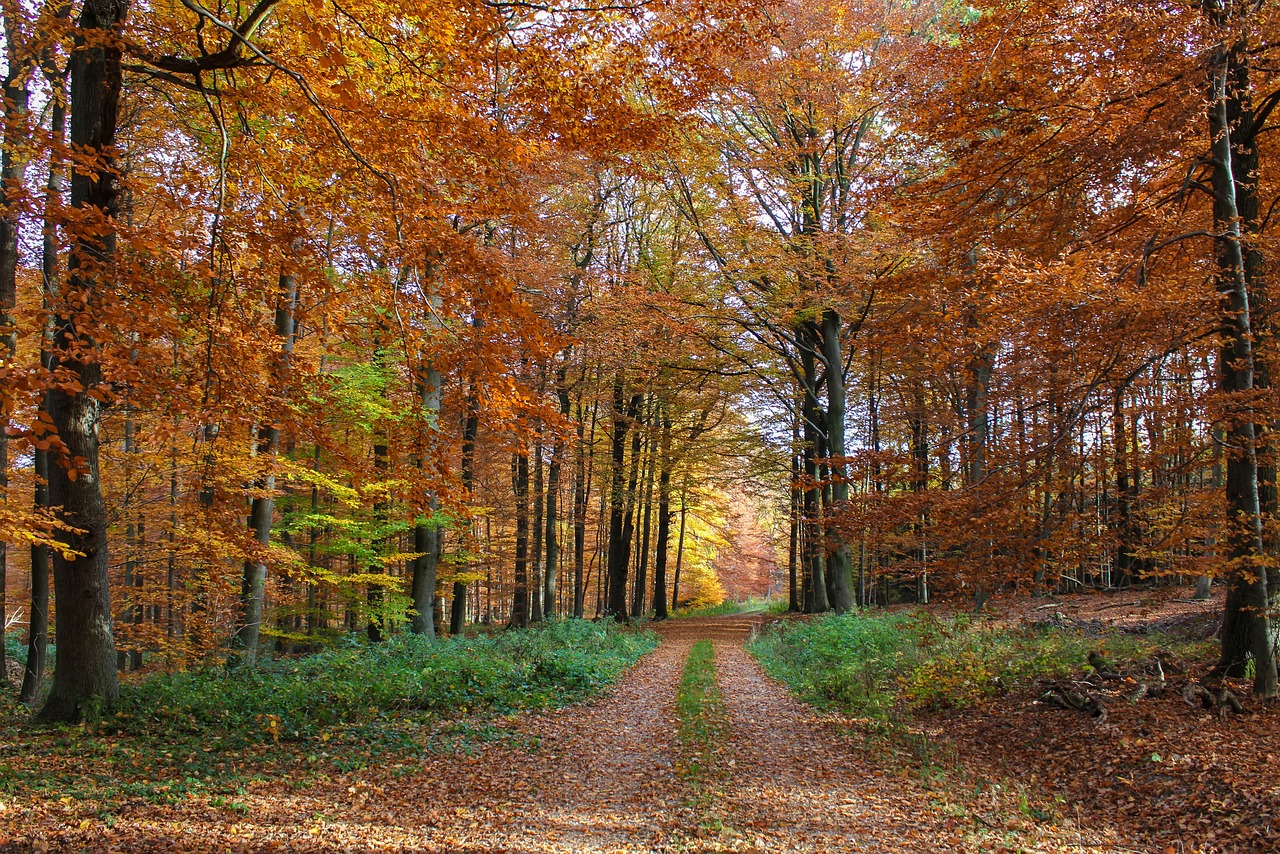
Mixed deciduous forest in autumn colour
Mixed deciduous stand in autumn colour

Temperate mixed forest

The stands we return to most are temperate mixed forest — oak, beech, birch and pine sharing the same slope. These systems are resilient by design: when one species struggles in a dry year, another picks up the slack in canopy cover.

What we track here is composition drift — which species are regenerating in the understory, and whether that matches what's currently in the canopy. A mismatch today is a very different forest in forty years.
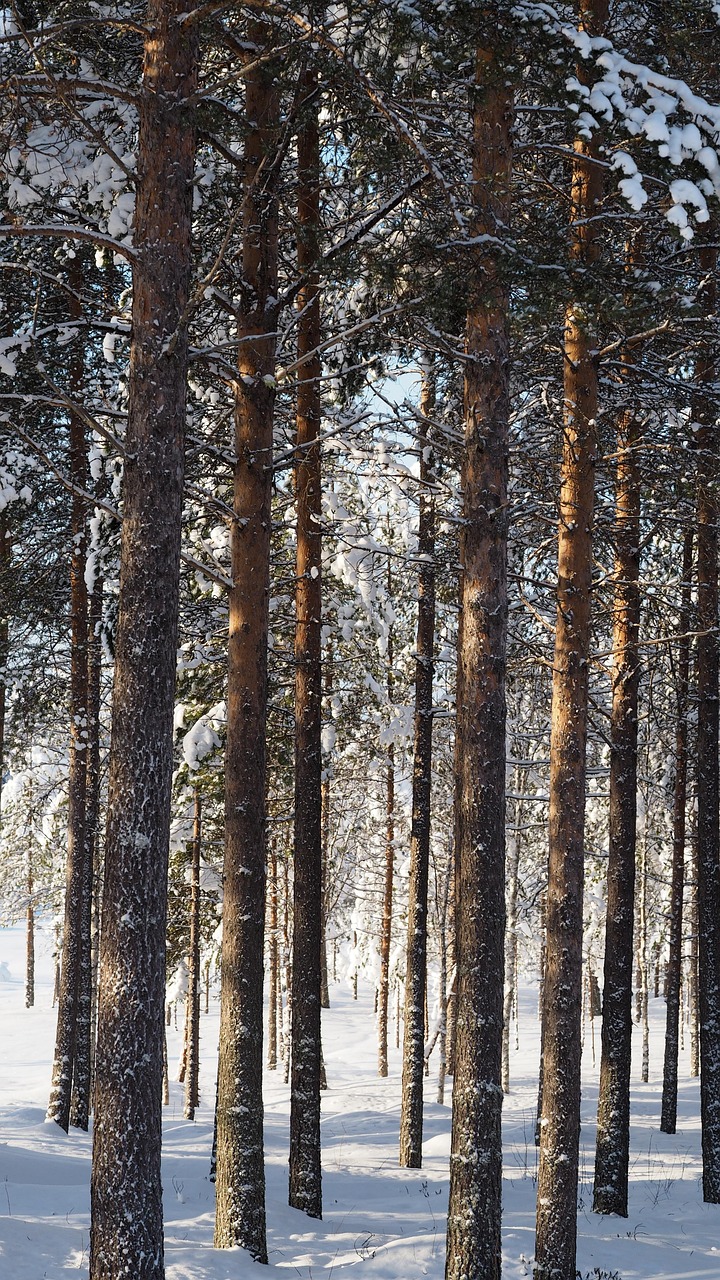
Boreal edge

Further north, the forests we log are thinner, slower-growing, and far less forgiving of disturbance. A boreal stand that burns or is cleared can take a century to return to something resembling its former structure.

These are also the forests most visibly responding to warmer, drier summers — insect outbreaks arriving earlier, fire seasons stretching longer at both ends.

Pine stand under fresh snow
Pine stand under early snow

Why the deadwood matters as much as the living trees

One of the more counterintuitive things we've had to unlearn: a "tidy" forest floor, cleared of fallen and standing dead wood, is usually a forest in worse ecological health, not better.

It's one of the easiest things to explain to a landowner and one of the hardest habits to actually change — the instinct to "clean up" a woodlot runs deep.

The healthiest stand we survey this year has more dead wood on the ground than any other site on our list.